
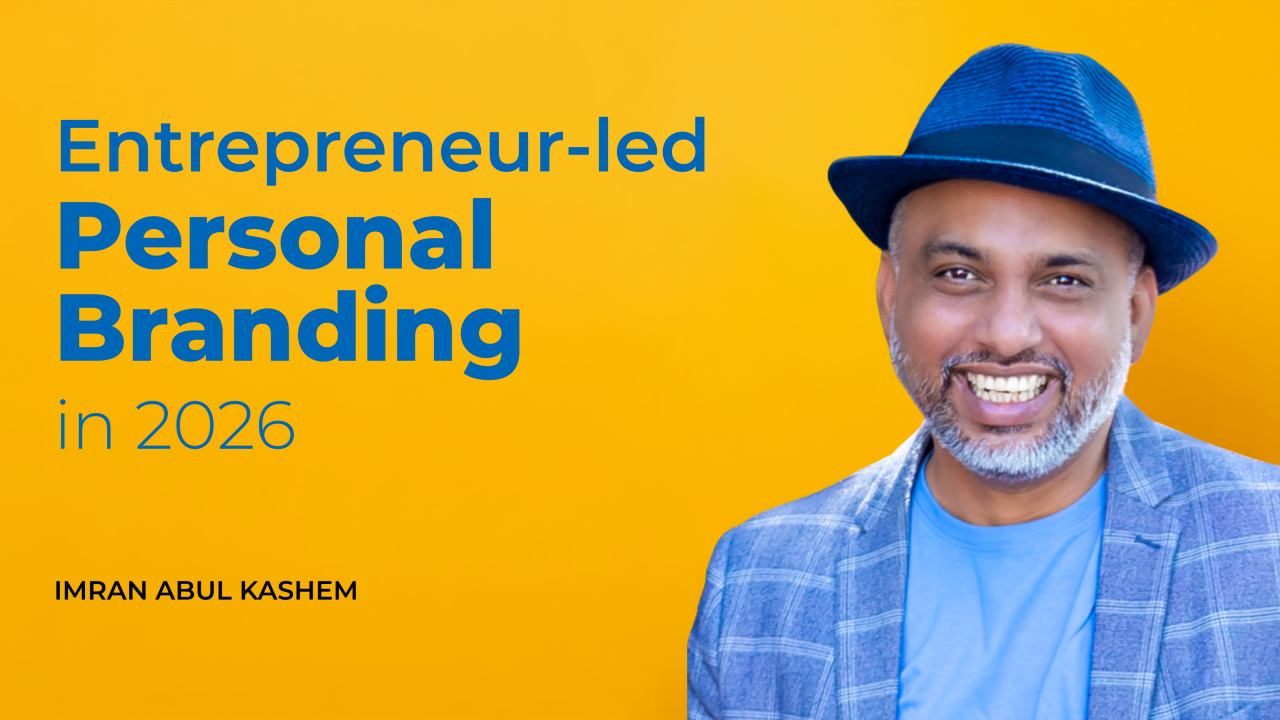
By Imran Abul Kashem, Personal Branding Expert and Founder of Westend Photography
Ten years ago, a business could hide behind a logo. A nice website, a polished brochure, and the phone would ring. In 2026, that world is gone. Buyers now check who is behind the business before they check what the business sells. They want to see a face, hear a voice, and feel a story they can trust.
This is what entrepreneur-led personal branding means. The founder becomes the front door of the business. Your name, your story and your ideas become the reason people choose you. After eleven years of building businesses in Wyndham, this is the single strategy that has shaped my journey more than any other. Let me share what is working right now, what the risks are, and what you can do about it this month.
What the data says in 2026
The numbers are hard to ignore. On LinkedIn, personal profiles now generate around eight times more engagement than company pages. People are three times more likely to trust content from an individual than from a brand. LinkedIn profiles and posts now index on Google, which means your personal content works as SEO too.
There is another reason this shift is accelerating. AI has flooded the internet with generic content. Anyone can publish a polished article in seconds. What AI cannot copy is your lived experience, your failures, your local knowledge and your real relationships. In a world of automated content, a genuine human voice has become the rarest asset in marketing.
The trend is clear. Founder-led content, real stories, native video and consistent posting are winning. Polished corporate messaging is losing. Trust has moved from logos to people.
The pros
- Trust converts faster: Buyers choose people they know, like and trust. A strong founder brand shortens the sales cycle because the trust is built before the first meeting
- Authority compounds: When you speak, doors open. Media coverage, speaking invitations, awards and partnerships come to people who are visible, not to people who are the best kept secret in their industry
- Low cost, high leverage: Content, networking and storytelling cost time, not large budgets. For small business owners, this levels the playing field against bigger competitors
- Your brand outlives any single venture: This is the part most people miss. A business brand serves one business. A personal brand serves every business you will ever start. It is a portable asset that moves with you
- It builds community, not just customers: Sharing your journey attracts clients, but it also attracts collaborators, mentees and community. That network becomes its own engine of opportunity
The cons, honestly
- It is slow at the start: The results in year one are quiet. Many entrepreneurs quit at month three, right before the compounding starts. Consistency is the price of entry
- Key person risk: If everything depends on your face, the business can struggle to sell or scale without you. The fix is to build systems and team brands alongside your personal brand, not instead of it
- Public scrutiny: Visibility invites opinion. Not everyone will agree with you, and you need a thick skin and a clear set of values before you turn up the volume
- Time cost: Content, comments and events take hours every week. Without a system, batching and smart use of AI tools, personal branding can quietly eat your calendar
- The authenticity trap: Audiences in 2026 can smell manufactured authenticity instantly. If your online story does not match your offline behaviour, the brand collapses. Only build a brand you can live
Case studies: entrepreneurs who built businesses on their name
Justin Welsh : one voice, one-person business empire
Justin Welsh left a corporate career and built a multi-million dollar solopreneur business almost entirely on LinkedIn. No office, no big team, no paid ads at the core. His median personal branding post earns dozens of times more engagement than a typical post on the platform. His product is his perspective, published consistently, week after week, for years.
The lesson: consistency plus a clear point of view beats budget.
Steven Bartlett : a podcast that became a business group
Steven Bartlett built his personal brand through The Diary of a CEO podcast, sharing honest conversations about business and life. That single platform opened the door to book deals, television, speaking, an investment fund and stakes in multiple companies. One personal brand, many businesses.
The lesson: a storytelling platform can become the parent of everything else you build.
Richard Branson : the original founder brand
Long before social media, Richard Branson understood that his personality was Virgin’s greatest marketing asset. His adventurous, human, slightly rebellious personal brand allowed Virgin to stretch across airlines, music, telecoms and more. Customers did not follow the industries. They followed Branson.
The lesson: a trusted founder brand gives you permission to enter new markets.
My own proof: from one camera to a family of businesses
My story is smaller than those names, but the principle is identical, and it happened right here in Wyndham.
In 2013, Westend Photography was my only business, a photography studio on my garage. During COVID, that business could operate for only six months of the year. That season taught me a hard lesson: one business, and one income stream, is fragile.
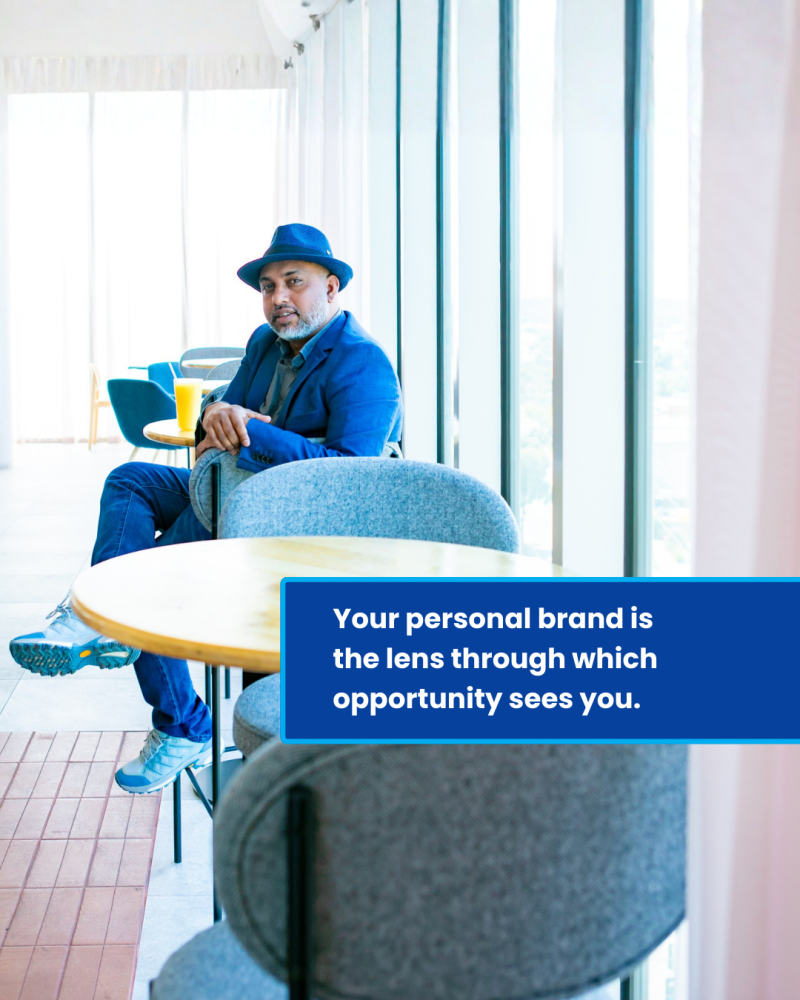
What was not fragile was the personal brand I had been building alongside it. Years of showing up at community events, telling local stories, publishing photography books on Wyndham and being a consistent, visible face in the business community meant that people trusted me, not just my camera.
That trust became the launchpad. Westend Photography l grew because photography clients already believed I understood their story. Westend Business Hub filled because entrepreneurs already knew me as a connector. WE Connect Events , Westend Podcast Westend Digital Australia , My Migrant Soul, and co-founded ventures like No Wukkas and Ripple Australia all grew from the same root. Today, that one personal brand has helped me serve more than 300 businesses and connect over 5,000 professionals across Melbourne’s west.
Not one of those businesses started with an advertising budget. Every one of them started with a relationship, and every relationship started with the brand attached to my name. That is the real return on personal branding. It is not likes. It is options.
Your action plan for the next 90 days
- Define your position in two sentences: Write down the one problem you solve, for whom, and why you personally. If you cannot say it in two sentences, your audience cannot repeat it either
- Fix your LinkedIn profile like a landing page: Your headline should say who you help and how, not just your job title. Your featured section should show proof: results, testimonials, media, your best work
- Publish three times a week, every week: Three posts per week is enough. Mix teaching posts, story posts and opinion posts. Batch them in one sitting each week so the system survives your busy weeks
- Spend 15 minutes a day in the comments: Comments build more relationships than posts. Give the first fifteen minutes of your day to meaningful comments on posts from your local business community
- Take it offline monthly: Digital trust converts fastest when it meets a handshake. Attend or host one local event each month. Online visibility plus offline presence is the full formula
- Measure what matters: After 90 days, review which topics brought conversations, enquiries and referrals. Do more of that. Personal branding is a long game, but it should still be a measured one
A final word
Entrepreneur-led personal branding is not about becoming famous. It is about becoming trusted, by the right people, in the right community, for the right reasons. The tools will keep changing. The principle will not. People buy people.
If you are a business owner in Wyndham or anywhere in Melbourne’s west and you want help building your personal brand, my door is open. Send me a message here on LinkedIn, or come along to one of our Wyndham Entrepreneur Connect events and introduce yourself in person. Your story deserves to be seen.
If this edition gave you one useful idea, subscribe to this newsletter and share it with one business owner who needs to hear it. Thank you for reading, and thank you for being part of this community. Building it with you is the best part of the work.
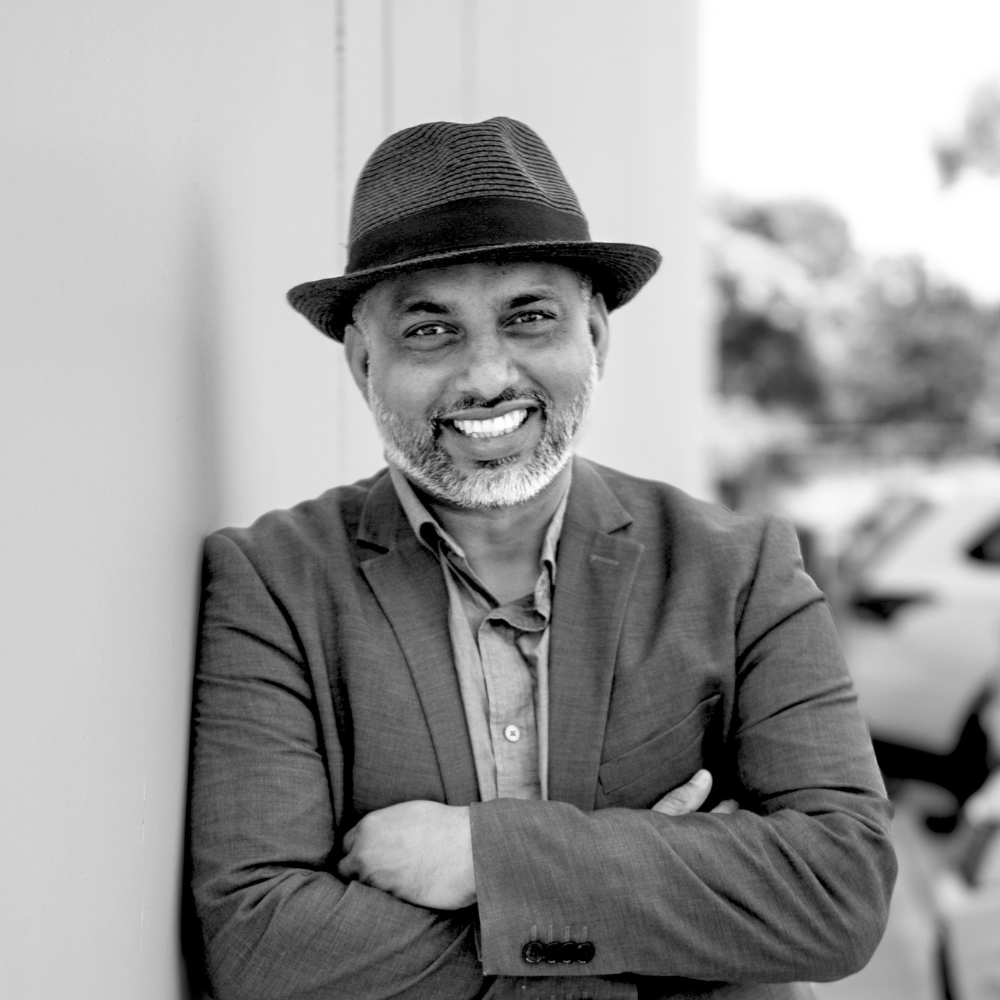
Imran Abul Kashem is a personal branding expert, content writer, entrepreneur and investor based in Wyndham, in Melbourne's west. He is the founder of Westend Photography, Westend Digital, Westend Business Hub and Westend Podcast, and the co-founder of Wyndham Entrepreneur Connect, No Wukkas Agency and Ripple Australia. Over the past eleven years he has served more than 300 businesses and connected over 5,000 professionals through his work in visual branding, digital marketing, coworking and community events. He also hosts My Migrant Soul, a podcast sharing the real stories of migrants building new lives in Australia, and has published three photography books documenting the people and places of Wyndham. His work has been featured in The Australian, Herald Sun, ABC and SBS. Behind every business he builds sits one simple belief: when local entrepreneurs tell their stories and support one another, the whole community grows stronger. He is grateful to call Wyndham home and to build alongside its business community every day.