
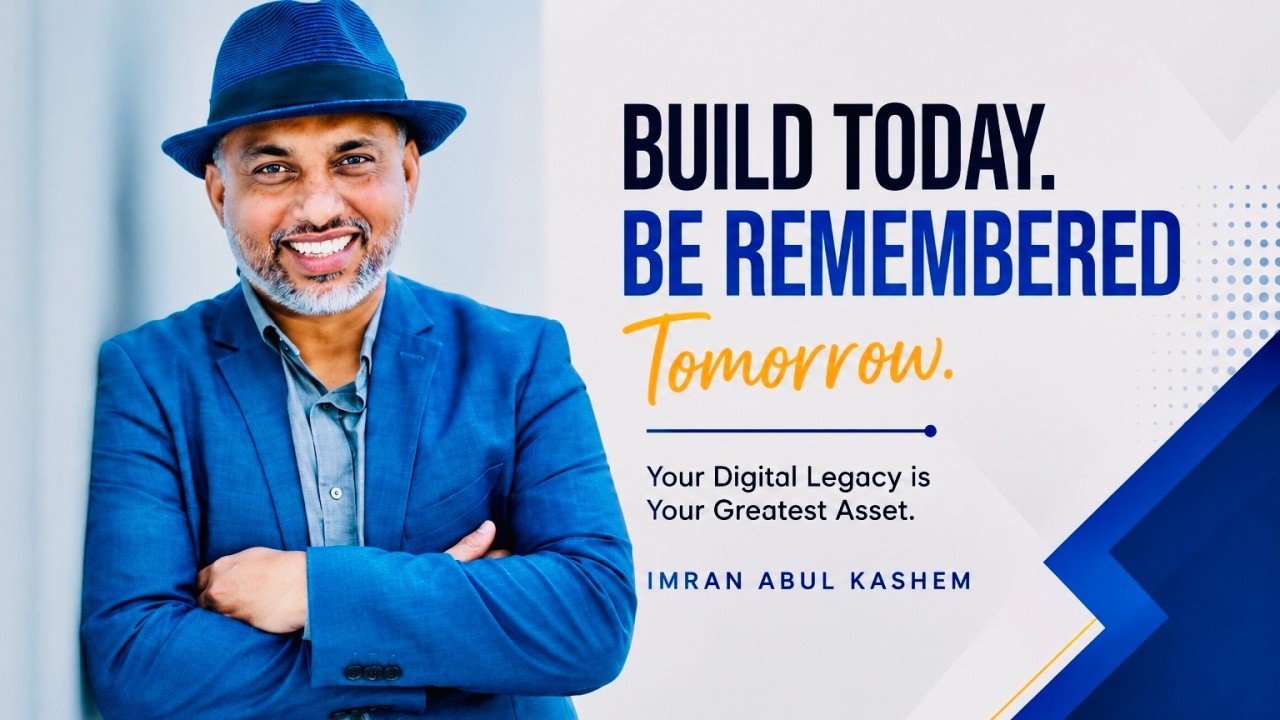
By Imran Abul Kashem, Personal Branding Expert and Founder of Westend Photography
Have you ever typed your own name into ChatGPT/ Claude and asked, “Who am I?”
I did.
Then I Googled myself.
What I discovered made me think differently about personal branding.
For years, we’ve talked about building a digital footprint. But today, we also need to consider the story that footprint creates – our digital legacy.
Because one day, someone will search your name without you knowing it:
A potential client. A business partner. An employer. A journalist. A conference organiser. A prospective investor.
Increasingly, they may not just Google you. They may ask AI about you.
So what story will they find?
I decided to Google myself
My name is Imran Abul Kashem.
I migrated to Australia from Bangladesh in 2008. When I arrived, I didn’t have a personal branding strategy. I wasn’t thinking about Google rankings, AI visibility or digital authority. I was simply trying to build a life.
Over the years, my journey evolved. I built businesses, started Westend Photography from a garage, became involved in the local business community, launched Westend Business Hub, developed Westend Digital, contributed to podcasts and community projects, and created content about entrepreneurship, migration, business and personal branding.
I’ve also been fortunate to receive recognition for some of that work and to have my story appear in the media.
At the time, each achievement or piece of content felt like a separate moment. But when I searched my name, I realised they had become something more:
A story. My story.
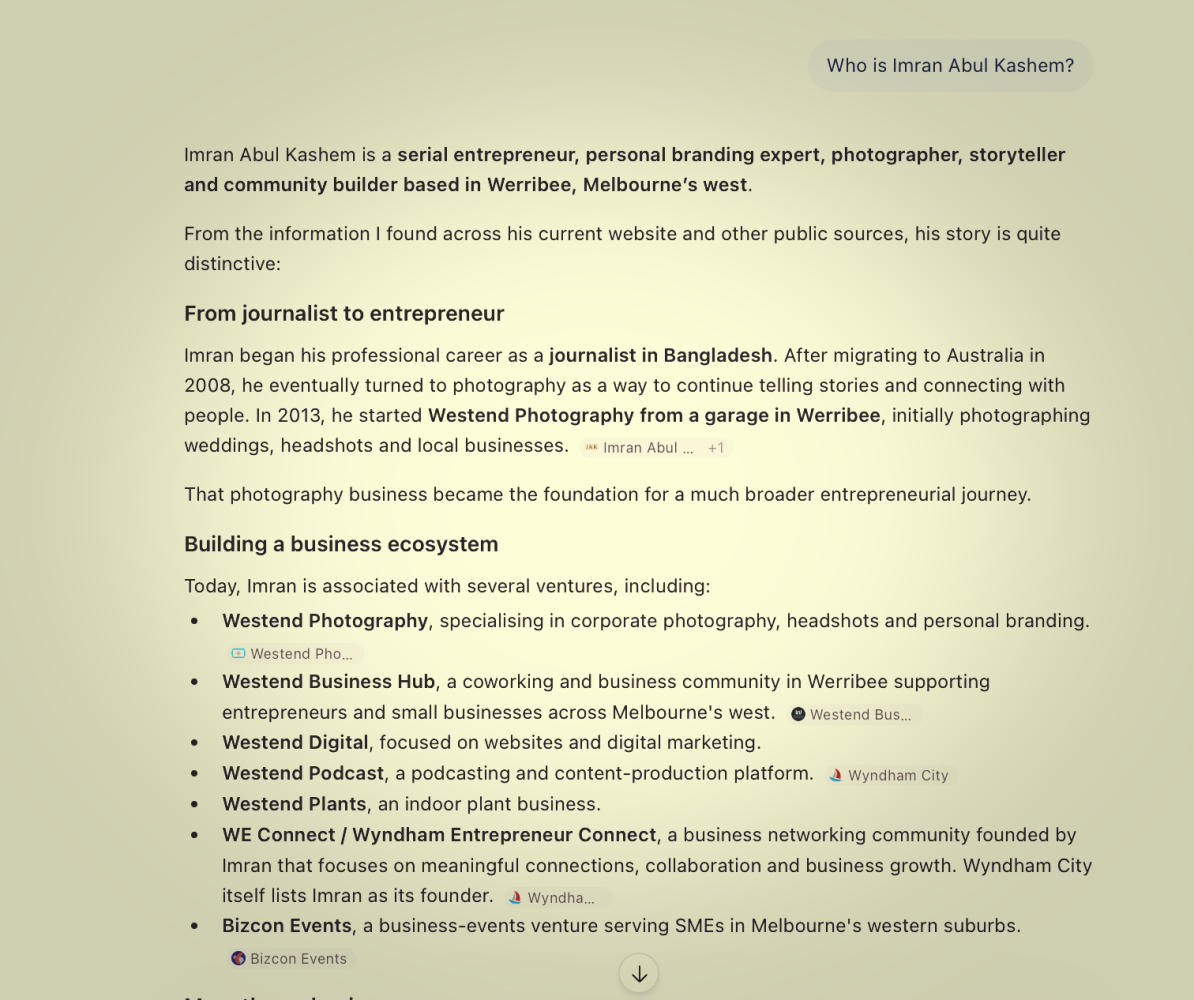
screen shot of my search in Chat GPT
Then I asked AI: “Who is Imran Abul Kashem?”
I wanted to understand what happens when I am not there to introduce myself.
If I walk into a room, I can explain that I’m an entrepreneur, photographer, business owner, podcaster and community contributor. I can describe my journey.
But Google doesn’t hear me speak, and AI doesn’t sit across the table from me. It looks at the information available online:
- Articles
- Websites
- Interviews
- Podcasts
- Social media
- Business profiles
- Public mentions
- Published content
Then it tries to make sense of those pieces.
That made me realise:
Your personal brand isn’t only what you say about yourself. It is also what people—and increasingly, machines – can find about you.
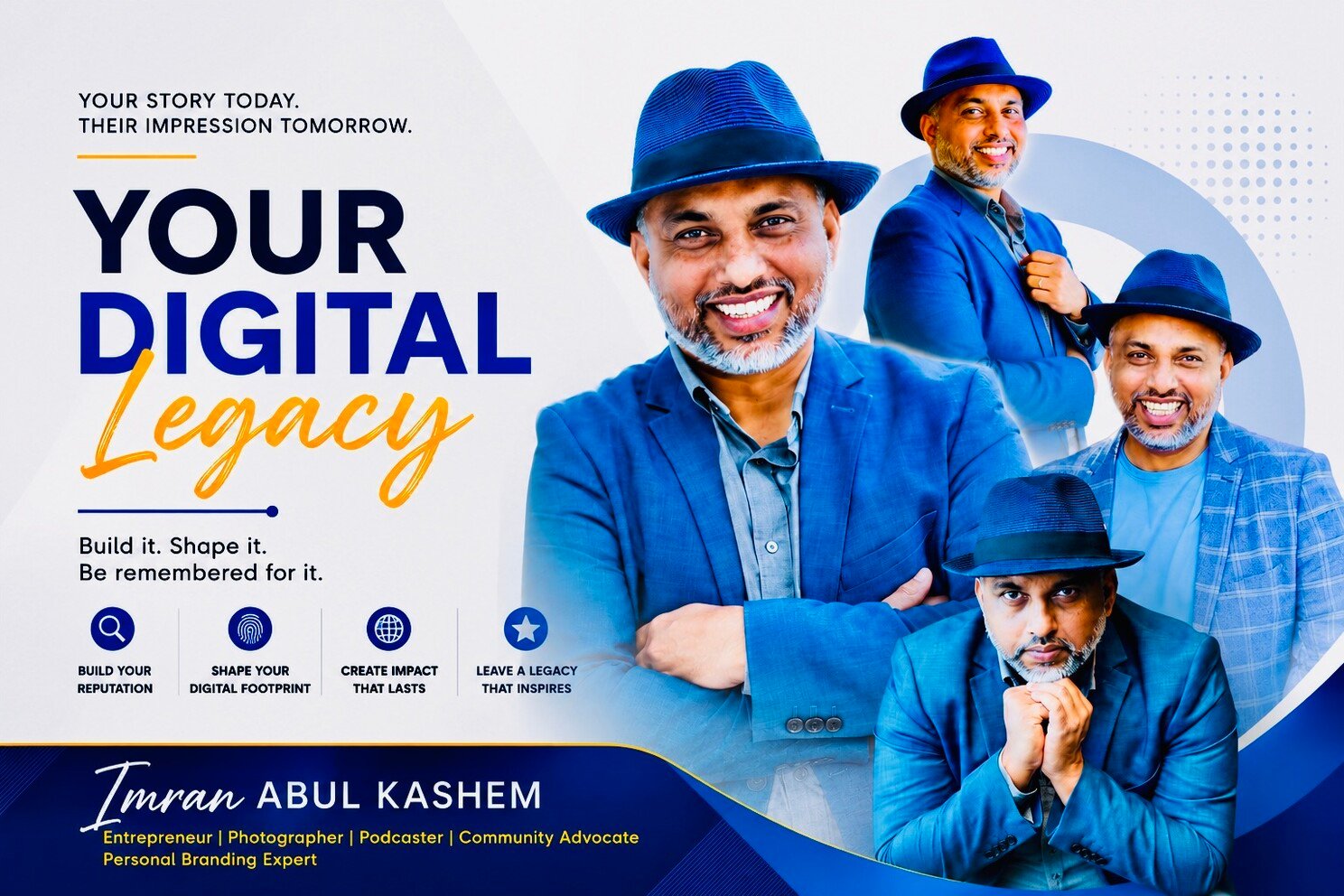
Imran Abul Kashem
Google is still important, but AI changes the game
Some people think Google is becoming irrelevant because of AI. I don’t agree.
Search remains a major discovery channel. Globally, 32.8% of internet users surveyed by GWI say they discover brands through online search. (DataReportal – Global Digital Insights)
At the same time, AI is becoming part of the research journey. McKinsey reported in 2025 that around half of surveyed consumers were already using AI-powered search to learn about categories, compare options and make decisions. (McKinsey & Company)
A 2025 Yext study found that 62% of surveyed consumers trusted AI tools to guide brand decisions. (Yext)
The numbers will continue to change, but the direction is clear:
People are asking machines to help them make decisions – including decisions about people.
Imagine this conversation
A potential client hears your name at a networking event. Later, they open ChatGPT and ask:
“Who is [your name]?”
Then:
“What is [your name] known for?”
Then:
“What are their areas of expertise?”
Perhaps they ask:
“Would you recommend them as a speaker, consultant or business partner?”
You aren’t part of that conversation.
Your LinkedIn profile is only one part of the picture. Articles, interviews, podcasts, websites, social media and third-party mentions may all contribute to how you are understood.
That’s why personal branding has entered a new phase. We are not only communicating with human audiences; we are also creating information that machines can interpret.
Is AI telling the right story about you?
Try this simple exercise.
Search your name on Google. Look beyond the first result and review:
- News articles
- Images
- Websites
- Business directories
- Podcasts
- Videos
- Social media
- Old profiles
- Third-party mentions
Then ask an AI platform:
“Who is [your name]?”
“What is [your name] known for?”
“What expertise is associated with [your name]?”
Finally, ask:
“Based on publicly available information, what impression would a potential client get about this person?”
Don’t focus on whether every sentence is perfect. Look for the pattern.
What does the internet associate with you?
My personal brand is an intersection
When I looked at my own digital story, one thing became clear: my personal brand isn’t one business or one title.
It isn’t just Westend Photography, Westend Business Hub, Westend Digital, entrepreneurship, personal branding, My Migrant Soul or being a migrant entrepreneur.
It is the intersection of all those experiences:
- My journey from Bangladesh to Australia
- Building businesses
- Photography
- Working with entrepreneurs
- Community involvement
- Conversations with migrants
- Podcast interviews
- Content creation
- Networking
- Failures and lessons
- Relationships
- Continuous learning
Together, these experiences create something more meaningful than a LinkedIn headline.
They create context.
And context is powerful.
Document your expertise
This is why I tell entrepreneurs:
Don’t just create content. Document your expertise.
A post saying, “Believe in yourself,” may receive likes. But sharing how you built a business from a garage, what went wrong, how you adapted and what you would do differently creates a much clearer picture of your experience.
The same applies to:
- Podcast episodes
- Media interviews
- Case studies
- Presentations
- LinkedIn articles
- Client success stories
- Testimonials
- Contributions to industry or community conversations
You don’t need to manufacture authority. You need to make your real experience visible.
Document what you know, what you’ve learned and how you help people.
You don’t need to become an influencer
Your online presence doesn’t need to be perfect, and you don’t need to post three times a day or build a massive following.
You need clarity and consistency.
If you want to be known for leadership, demonstrate leadership.
If you want to be known for photography, show your expertise.
If you want to be known for entrepreneurship, share what you’re learning from building businesses.
If you want to be known as a speaker, develop ideas worth sharing.
If you want to be known for a cause or community, contribute meaningfully to it.
Don’t manufacture authority. Document it.
Visibility and control
Your online presence isn’t only about visibility. It is also about control.
Google’s “Results about you” feature allows people to monitor whether certain personal information appears in search results and, where eligible, request removal. (Google Support)
So when I say “Google yourself,” I don’t mean only:
“How famous am I?”
I also mean:
“What information about me is publicly available?”
You may find old, incorrect or outdated information, duplicate profiles or personal details you would rather not expose.
Your online story should be intentional, not accidental.
What will your digital legacy say about you?
Imagine it is 2036 and someone searches your name.
What do you want them to see?
Random social media posts—or a body of work?
Constant self-promotion – or meaningful contributions?
Claims about expertise – or evidence of it?
Disconnected activities – or a coherent story?
For me, that is the shift.
Personal branding isn’t simply about becoming more visible. It’s about becoming recognisable, credible and memorable for the right reasons.
Your 10-minute Digital Legacy Audit
Step 1: Google yourself
Search:
“Your Full Name”
Then add:
+ your city + your profession + your business + your industry
Review what appears.
Step 2: Ask AI
Ask three different AI platforms:
“Who is [your name]?”
“What is [your name] known for?”
“What expertise does [your name] appear to have?”
Compare the answers.
Step 3: Identify the gap
Ask yourself:
Is this how I want to be known?
If not, don’t complain about the algorithm.
Create and share better information.
Step 4: Start documenting
Write. Record. Publish. Speak. Collaborate.
Share your lessons, collect testimonials, tell your stories and let people see what you know.
Step 5: Repeat
Your personal brand isn’t built in one post. It develops through consistent communication over time.
The question I want you to answer
Tonight, type your name into Google.
Then type your name into AI.
Ask:
“Who am I?”
Read the answer and ask yourself:
“Is this the person I want the world to know?”
If the answer is yes, keep building.
If the answer is no, that’s good news. Your story isn’t finished.
You still have time to write the next chapter.
Your personal brand shapes how people understand you today. Your digital legacy is the story that remains for tomorrow.
And whether you realise it or not:
You’re writing it every day.
Imran Abul Kashem- Your Digital Legacy
What does Google say about you?
And more importantly:
What does AI say about you?
I’d love to hear what you discover.
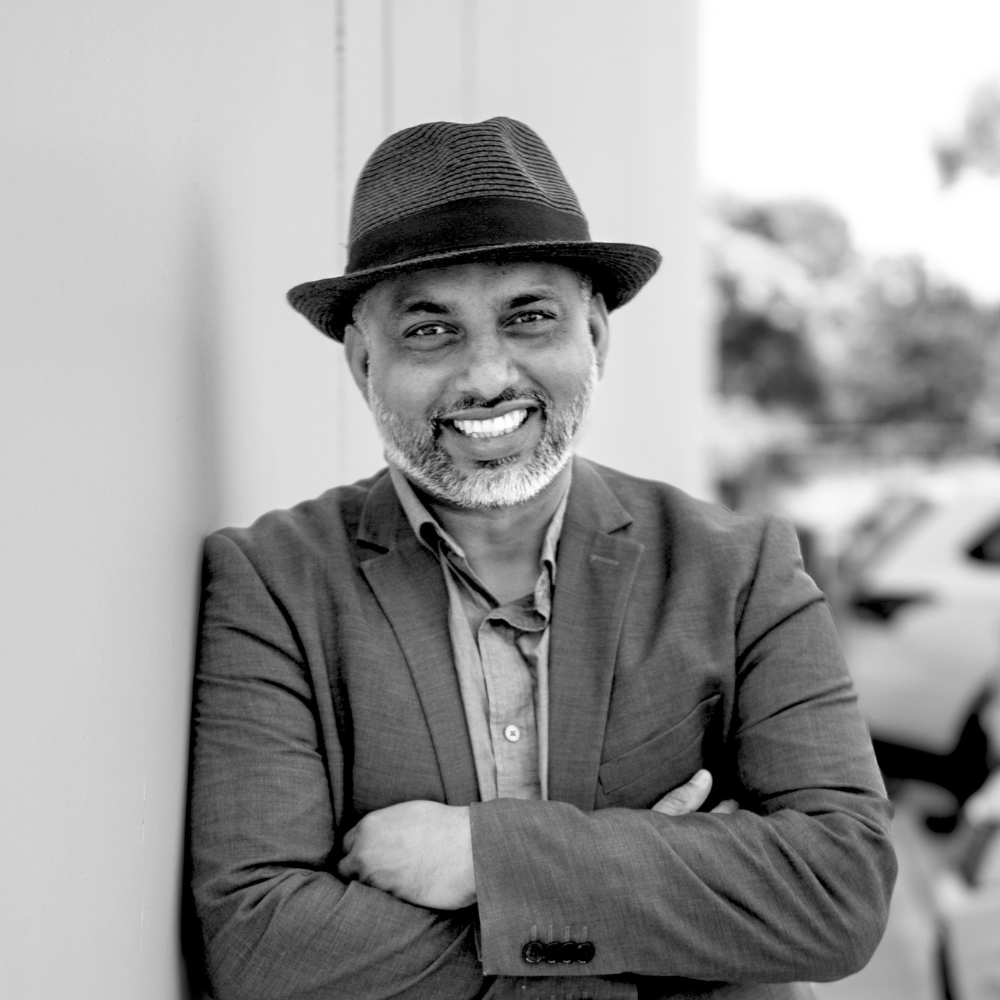
Imran Abul Kashem is a personal branding expert, content writer, entrepreneur and investor based in Wyndham, in Melbourne's west. He is the founder of Westend Photography, Westend Digital, Westend Business Hub and Westend Podcast, and the co-founder of Wyndham Entrepreneur Connect, No Wukkas Agency and Ripple Australia. Over the past eleven years he has served more than 300 businesses and connected over 5,000 professionals through his work in visual branding, digital marketing, coworking and community events. He also hosts My Migrant Soul, a podcast sharing the real stories of migrants building new lives in Australia, and has published three photography books documenting the people and places of Wyndham. His work has been featured in The Australian, Herald Sun, ABC and SBS.
Behind every business he builds sits one simple belief: when local entrepreneurs tell their stories and support one another, the whole community grows stronger. He is grateful to call Wyndham home and to build alongside its business community every day